

Hangover Shakes: Causes, Symptoms, and How to Ease Them Leave a comment
The severity of the shakes may vary depending on the amount of alcohol consumed. Feeling weak and shaky after drinking alcohol can be attributed to dehydration, low blood sugar, and the effects of alcohol on the nervous system. Alcohol acts as a diuretic, leading to fluid loss and contributing to symptoms like fatigue and weakness. Additionally, alcohol disrupts blood sugar regulation, which can cause shakiness and tiredness, particularly after binge drinking.
Remedies and Treatments

Alcohol acts as a nervous system depressant, and when alcohol consumption is stopped, it can lead to overexcitement in the nervous system, causing withdrawal symptoms such as tremors. Chronic alcohol use can also result hangover shakes in alcohol-related brain damage, such as cerebellar tremors, which cause shaking at the end of purposeful movements in the arms, hands, legs, or feet. The body is depleted of hydration the more an individual consumes alcohol in one sitting.
- The theory behind the “hair of the dog” hangover remedy is that if you drink more alcohol, your blood alcohol levels will rise and you will no longer experience hangover symptoms.
- B vitamins, particularly vitamin B6 and B12, play a role in alcohol metabolism and can be obtained from sources such as whole grains, lean meats, and legumes.
Strategies to Address Alcohol & Underage Drinking
This sudden surge in excitatory activity can lead to hyperexcitability of the nervous system, manifesting as tremors or shakes, especially during the hangover phase. The central nervous system (CNS) consists of the brain and spinal cord, which are responsible for controlling and coordinating activities throughout the body. Alcohol consumption can have a significant impact on the CNS, leading to various effects, including tremors or shakes. One of the primary ways alcohol contributes to the development of tremors is through its impact on neurotransmitters. Neurotransmitters are chemical messengers in the brain that transmit signals between nerve cells. Alcohol can interfere Halfway house with the balance of these neurotransmitters, particularly gamma-aminobutyric acid (GABA) and glutamate, which play a crucial role in regulating muscle movement.
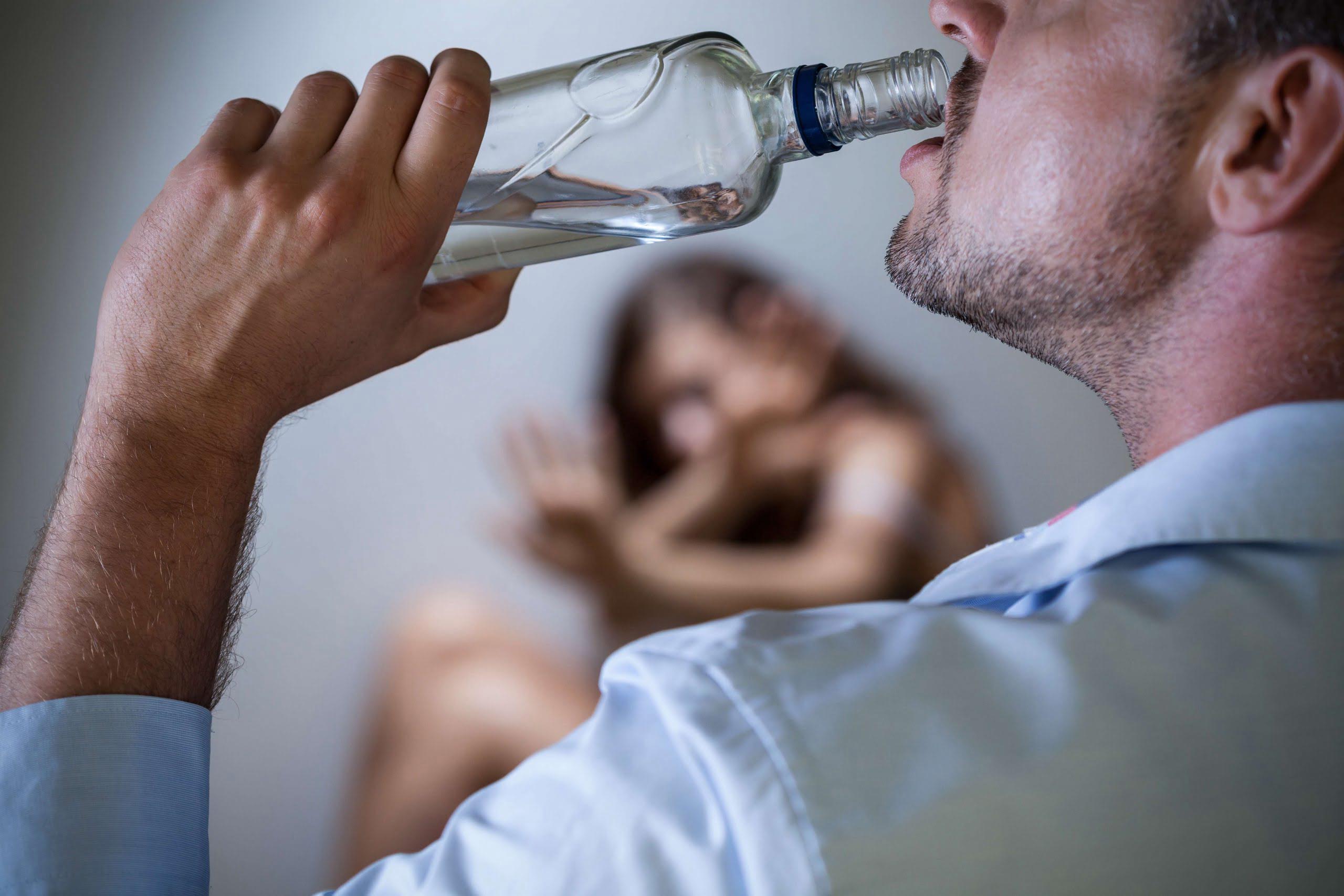
The Truth About Hangover Shakes: Causes and Treatments
Ingredients such as water, coconut water, unsweetened milks, fruits, and vegetables can provide ample hydration. Including electrolytes like sodium and potassium in smoothies can aid in rehydration after severe dehydration, which may help improve hangover symptoms. Remember, professional help is crucial in managing symptoms of alcohol withdrawal, and it’s always safer to seek medical advice if in doubt. Regaining control over one’s health and navigating the road to recovery can be a challenging journey, but with the right support and resources, it’s entirely possible.

When you drink alcohol, it can cause your blood sugar levels to drop, which can lead to tremors and other symptoms. Have you ever woken up after a night of heavy drinking and found yourself shaking uncontrollably? Many people experience what’s known as “hangover shakes” after a night of drinking. In this article, we’ll explore what causes these shakes and what you can do to prevent them. One of the most effective ways to manage hangover shakes is by prioritizing rest and sleep.
How to Get Help for Alcohol Shakes
To ensure that your hangover shakes are not only effective but also enjoyable, here are some helpful tips to keep in mind when making them. Alcohol-related brain damage is a brain disorder caused by drinking too much alcohol over several years. This happens because https://ecosoberhouse.com/ alcohol replaces the GABA temporarily as a calming chemical.
Warning: Trying to access array offset on value of type bool in /home/phqd934ev6l7/public_html/usaapparelsllc.com/wp-content/themes/electro/inc/structure/layout.php on line 114
Warning: Trying to access array offset on value of type bool in /home/phqd934ev6l7/public_html/usaapparelsllc.com/wp-content/themes/electro/inc/structure/layout.php on line 115
Warning: Trying to access array offset on value of type bool in /home/phqd934ev6l7/public_html/usaapparelsllc.com/wp-content/themes/electro/inc/structure/layout.php on line 116